Seedance vs HeyGen AI Spokesperson Video Creator: Which One Actually Belongs in Your Content Stack in 2026?
HeyGen now runs Seedance 2.0 as one of its video engines. See what that means, how the tools differ, and which fits your content stack.
Seedance vs HeyGen AI Spokesperson Video Creator: What Do These Tools Do?
In 2026, the AI video tool market is crowded enough that even experienced marketers and creators struggle to understand which platform solves which problem. If you're searching "Seedance vs. Heygen," you're probably trying to answer the simple question of which tool belongs in your content workflow.
Part of the confusion comes from how broadly the phrase "AI video tool" is used. Platforms with very different purposes are often described in similar terms, which makes it harder to understand what they're really used for.
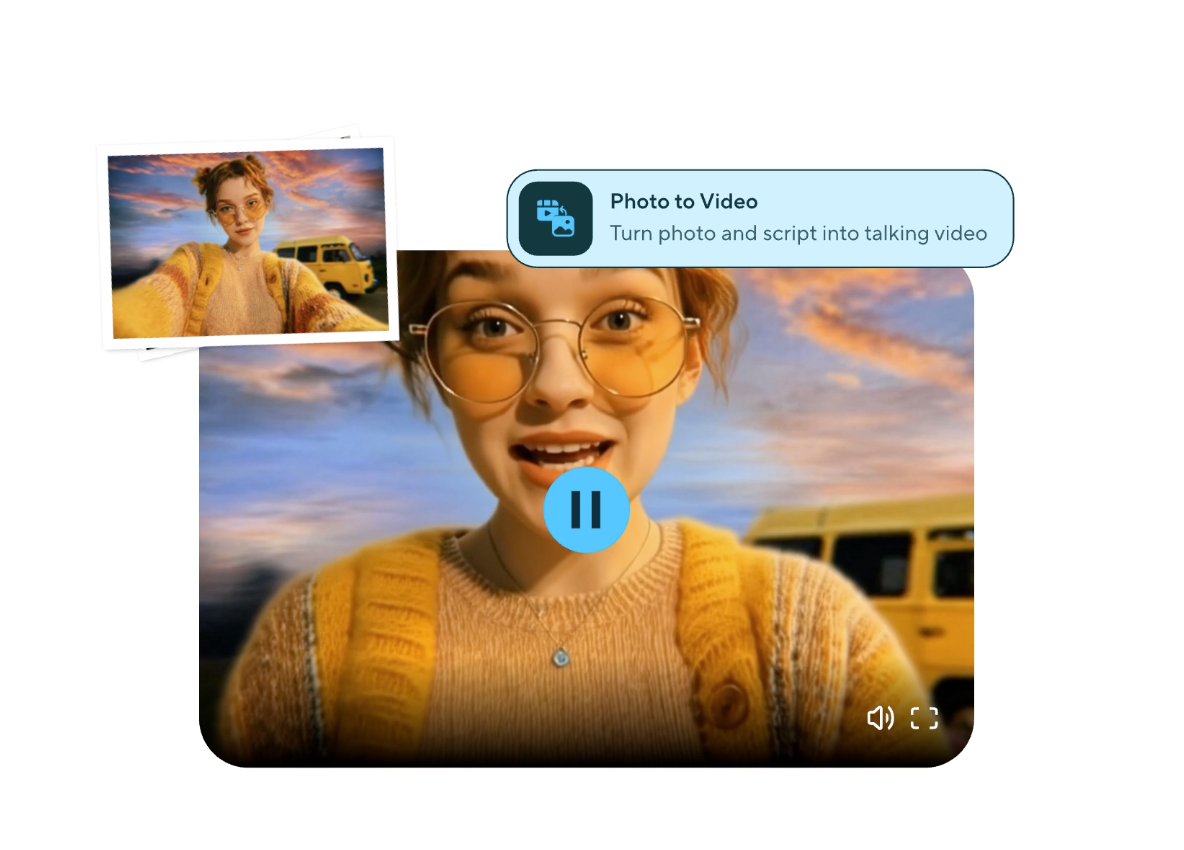
If you're searching "Heygen - AI spokesperson video creator," you may discover Seedance in the same search results and assume the tools compete directly. But in reality, they sit in completely different categories. HeyGen focuses on generating presenter led videos with avatars, while Seedance specializes in cinematic visual scenes.
Understanding the differences between these tools is essential before deciding which belongs in your content stack. In this article, we'll explore both tools in depth so you can decide which is better suited to your needs.
Understanding the AI Video Tool Landscape
The modern AI video landscape now spans several product categories. When people search for Seedance vs. Heygen, they are often comparing tools that were never built to do the same job, but which are marketed in similar ways.
Heygen - AI spokesperson video creator belongs to the corporate presenter category. Its primary function is to generate professional looking videos where an avatar delivers a script, so it's used mostly for corporate comms and training. The goal is to replace the need for repeatedly filming a presenter for things like onboarding videos, training materials or product walkthroughs.
Seedance, by contrast, sits in the visual generation category. Instead of producing a presenter, it produces cinematic clips from prompts or reference images such as landscapes, motion shots, stylized visuals and animated scenes.
Argil represents a third category: personal AI clone generators. Instead of replacing the person with a generic presenter, Argil trains a digital version of you that emulates your voice, appearance and mannerisms in hyper realistic ways.
These tools all produce "AI generated video," but the role each one plays is different. Someone exploring Seedance vs. Heygen may initially believe they are interchangeable options, when in fact they serve completely different purposes. That distinction matters because choosing the wrong tool will waste your time and eat into your budget, meanwhile damaging your reputation if you're putting out low quality or irrelevant content.
What Does HeyGen AI Spokesperson Video Creator Do?
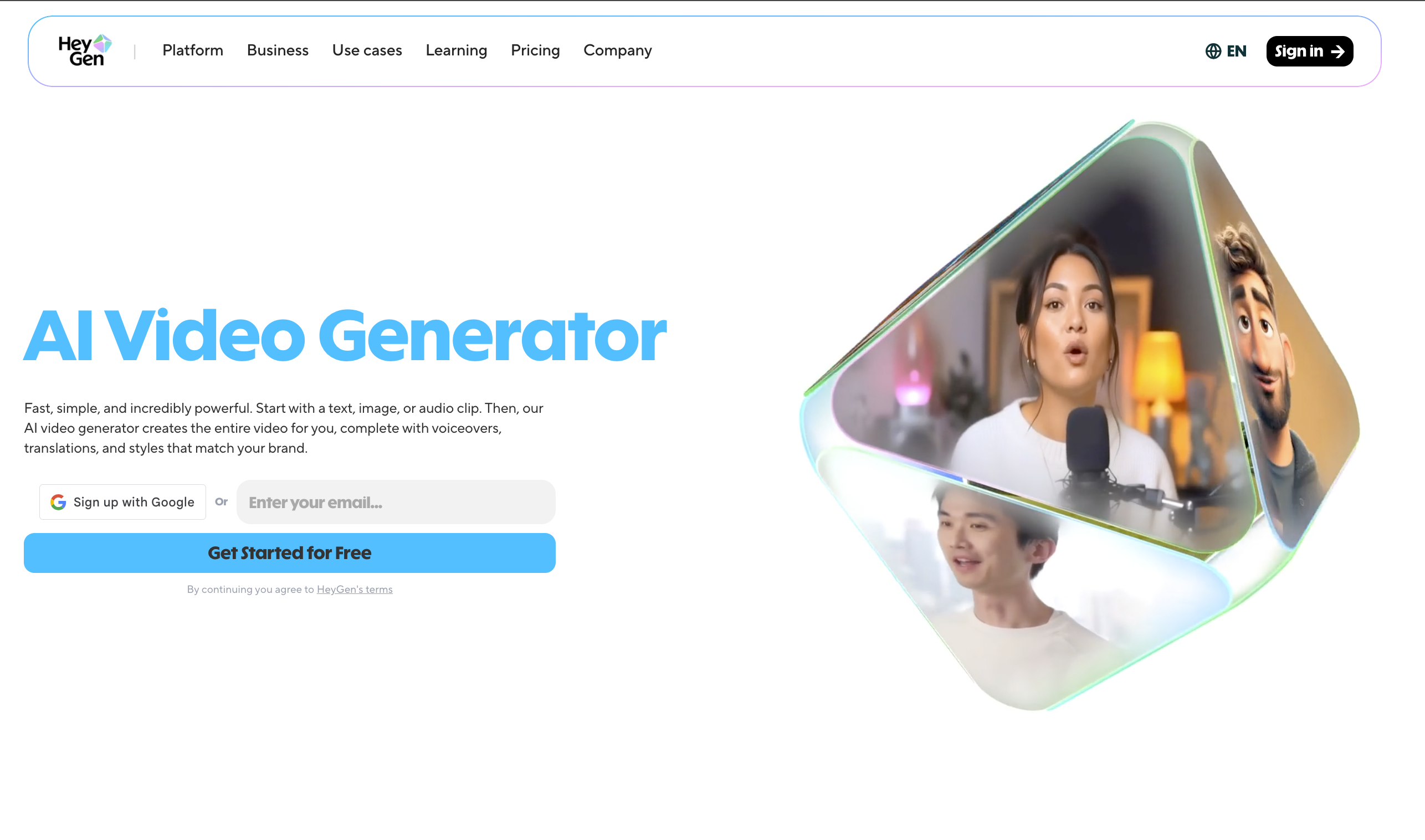
The Heygen AI spokesperson video creator is designed to generate presenter led videos through AI avatars. You input your script, choose an avatar and voice and the platform renders a finished video that pulls it all together.
The process happens entirely inside a browser based editor. There is no filming process, no need for editing software and no post production workflow. For companies that need large volumes of corporate video content, this can save significant time and produce great results.
A major advantage of the Heygen AI spokesperson video creator is its translation capability. A single script can be rendered into dozens of languages while keeping lip sync aligned with the translated speech. This makes the platform particularly useful for global organizations running the same training materials across different markets.
The tool has strong enterprise adoption because it solves a very specific problem: producing professional looking presenter videos without scheduling a human presenter for every shoot.
However, the shared avatar library means avatars appear across multiple companies' videos. In a corporate training environment, this is usually acceptable, but in creator driven marketing content, it can weaken authenticity and look cheap.
Custom avatars improve the situation somewhat, though the process requires carefully controlled recording conditions. Even then, the output is still closer to a digital presenter than a natural human performance. For companies creating product demos, onboarding modules and internal communications, the Heygen - AI spokesperson video creator reliably delivers what it promises, but it's not the best video generator for content marketing.
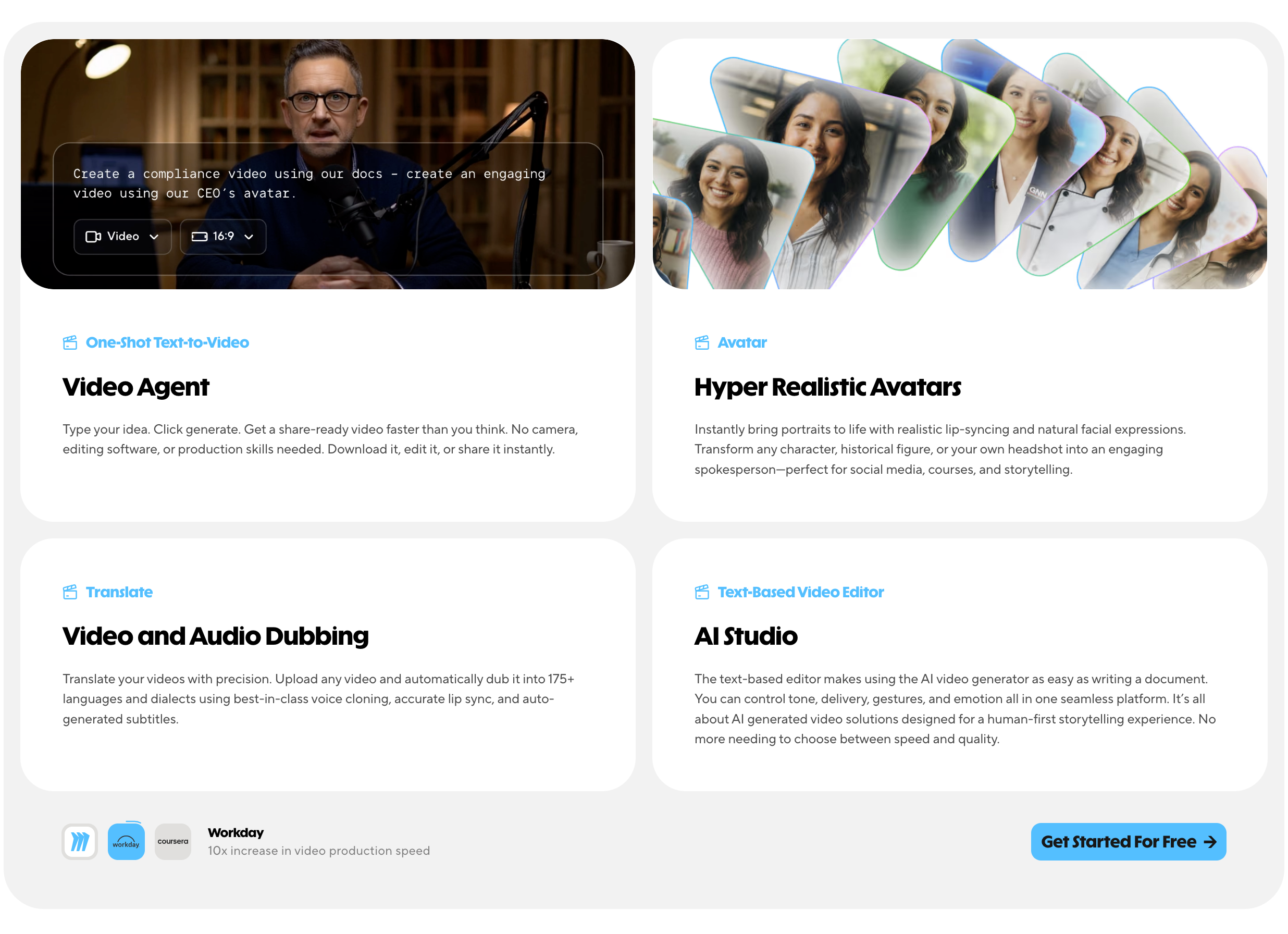
One recent wrinkle is worth knowing if you searched "HeyGen Seedance" directly: HeyGen now offers Seedance 2.0 as one of its own generation engines, available on the Pro, Business and Enterprise plans. Inside HeyGen, that lets you build cinematic avatar scenes with custom locations, lighting and camera movement, or generate B-roll from a text prompt, all still wrapped in HeyGen's own script and workspace tools. That doesn't turn HeyGen into a Seedance replacement. It's HeyGen borrowing Seedance's visual engine for scenes and backgrounds, while the underlying avatar presenter workflow, and the credits and licensing model, stay HeyGen's own.
What Does Seedance AI Do?
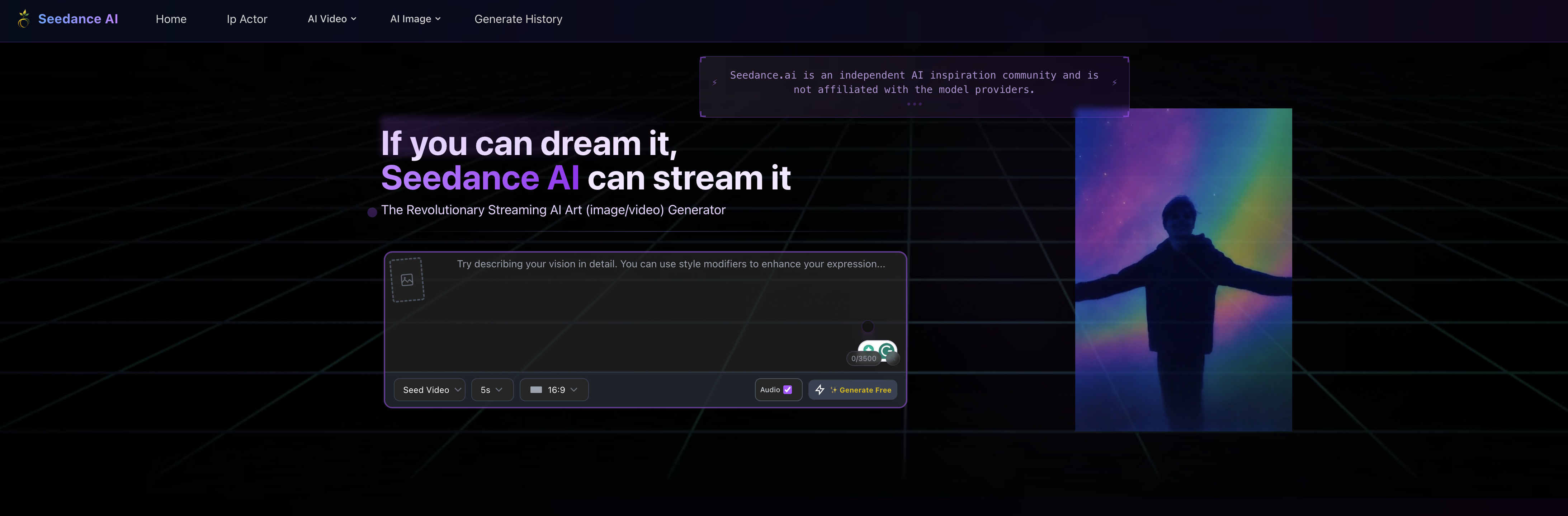
When comparing Seedance vs. Heygen, the most important thing to know is that Seedance does not generate presenters at all.
Instead, Seedance generates visual scenes. Its text to video and image to video systems allow users to produce cinematic clips from prompts. The result might be an animated environment, a stylized landscape or a moving visual composition.
This makes Seedance extremely useful for visual storytelling, concept visualisation, and B-roll generation. Marketing teams often use it to produce atmospheric clips, animated product imagery or background footage for video essays and social posts.
The confusion between Seedance vs. Heygen partly emerged because Seedance's visual output quality is so strong. Early demos led some marketers to assume it could replace a full video production workflow.
ByteDance has kept shipping fast since then. Seedance 2.0 added native audio and video joint generation, and Seedance 2.5, released in mid 2026, pushed clips out to a full 30 seconds and added local editing, so a single detail in a scene can be fixed without regenerating the whole clip. But through every version, the core output has stayed the same: cinematic scenes rather than human presenters.
A company using Seedance to create visual backgrounds and the Heygen - AI spokesperson video creator to deliver scripted information is using both tools correctly.
The problem arises when businesses expect either tool to solve a job it wasn't built for.

The Limitations of HeyGen AI - Spokesperson Video Creator and Similar Tools
The reason Seedance vs. Heygen continues to trend in search is that both tools leave an important gap unfilled – personality driven video.
The Heygen - AI spokesperson video creator provides a presenter, but not necessarily the specific person audiences recognize. The avatar becomes the communicator, not the creator themselves. Seedance provides cinematic visuals but removes the human element entirely.
For businesses and creators trying to build a personal brand, both of these tools have serious limitations. Social platforms reward familiarity and recognition, and audiences generally subscribe to a person, not an abstract visual style. This is especially relevant for founders, experts, educators and creators whose audience relationship depends on personal presence.
When someone researching Seedance vs. Heygen needs to produce content where the person themselves must appear on screen consistently, neither tool directly solves the problem. This is where Argil comes in.
Why Argil is Different from Seedance vs HeyGen
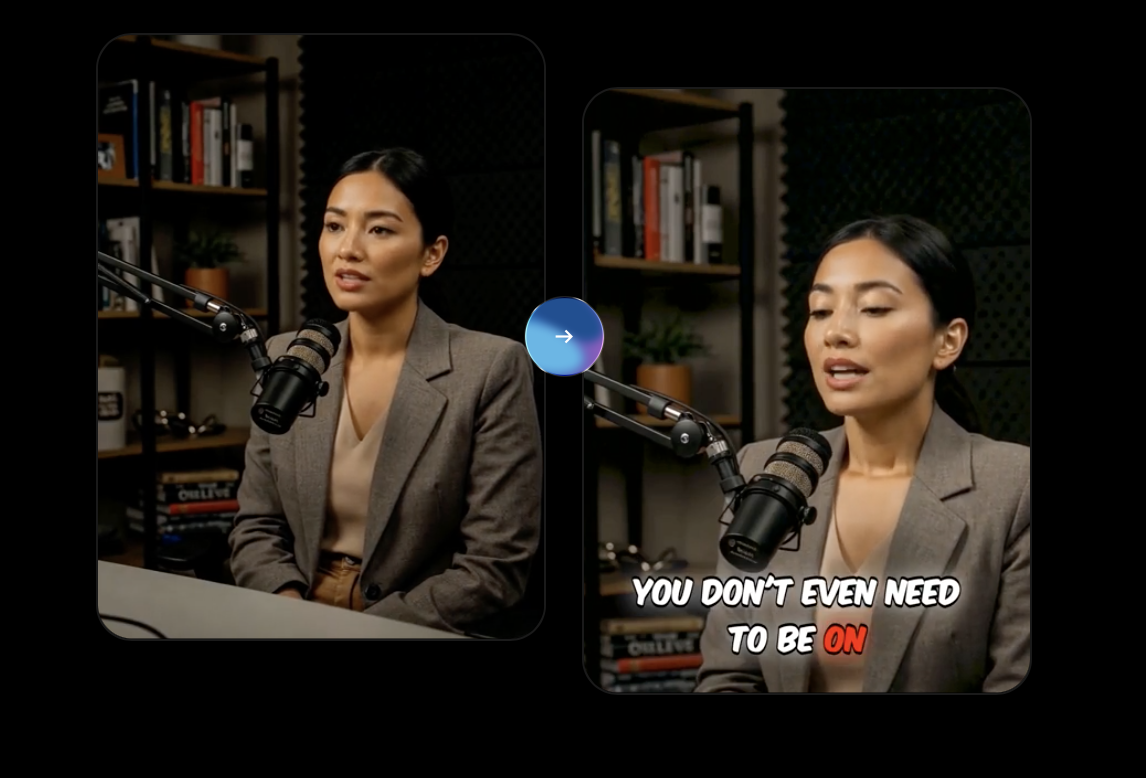
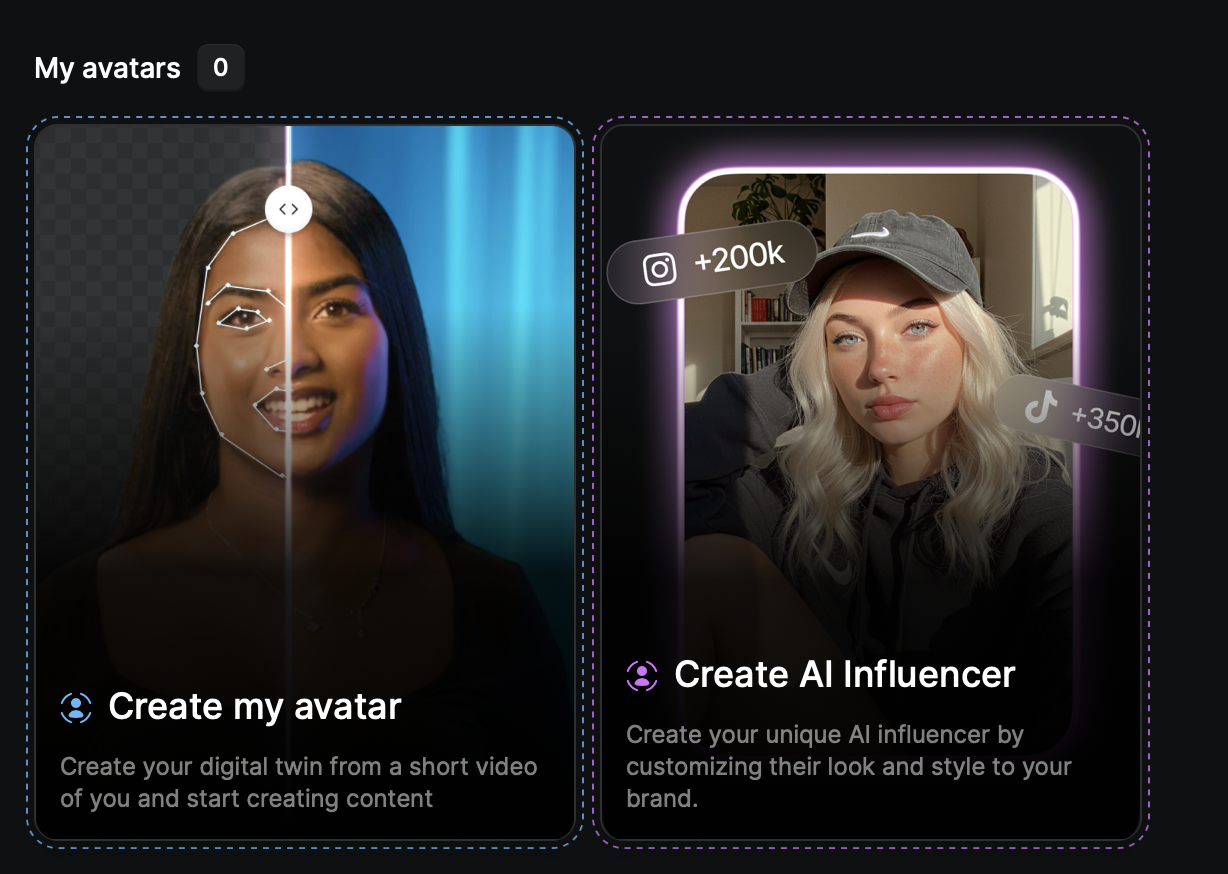
The difference between Argil and the Heygen - AI spokesperson video creator comes down to identity. HeyGen assigns an avatar to deliver the message, while Argil trains a clone of you so that the person delivering the message is recognizably the real creator.
Unlike the Heygen - AI spokesperson video creator, which is designed around corporate presentation formats, Argil's output is structured for social media. Videos are rendered in vertical format with captions, B-roll and automatic editing already applied.
For creators comparing Seedance vs. Heygen, the distinction becomes clear: HeyGen produces spokesperson videos, while Argil produces videos of the actual person that are perfect for building momentum on social media and video platforms.
Which is the Best Tool for Your Content Stack?
The most important question when evaluating Seedance vs. Heygen is whether the identity of the person in the video matters.
If it does not matter, the Heygen AI spokesperson video creator is a practical choice. Corporate teams producing training modules, onboarding videos and internal communications can generate presenter led videos quickly and efficiently.
If the goal is cinematic visual content without a presenter, Seedance is a great option. Agencies and creative teams can generate atmospheric footage and visual assets at speed.
However, if you want to create personal brand content where the audience expects to see and recognize the person in the video, Argil is the clear choice. Check Argil's pricing to see which plan fits your content volume.
Common Questions About HeyGen and Seedance
Does HeyGen use Seedance?
Yes. On the Pro, Business and Enterprise plans, HeyGen offers Seedance 2.0 as one of its video generation models, used for cinematic B-roll and scene work alongside HeyGen's own avatar system.
Is Seedance better than HeyGen?
It depends on what you're generating. Seedance produces cinematic scenes with no presenter, while HeyGen, with or without its Seedance option, is built around an avatar delivering a script. For a deeper look at how the two stack up against a third option, see our three way comparison of Seedance, Arcads and HeyGen. Neither tool is built to put the actual creator's face and voice in every video the way Argil is.
Sign up today to generate your own AI clone to appear in your videos, and create content 10x faster. With our free trial, you'll get your first 5 days completely free. What are you waiting for?